


In the digital age, the allure of Web 2.0 design has become a cornerstone for crafting engaging and successful websites. This modern approach to web design emphasizes not only aesthetics but also functionality, user experience, and communication. A well-designed website serves as a powerful tool, attracting more visitors and achieving higher search engine rankings. With the evolution of Web 2.0, designers have access to a plethora of tools that enable them to create websites that are both visually appealing and highly functional.
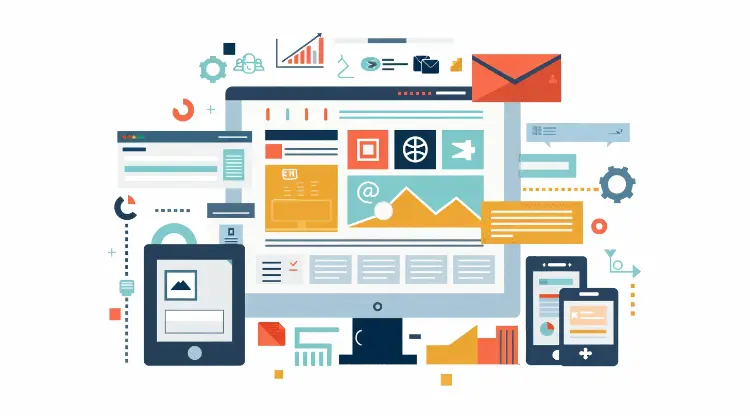
The transition from Web 1.0 to Web 2.0 design marked a significant shift in how websites are created and interacted with. Unlike its predecessor, Web 2.0 is not a piece of software but rather a set of principles and practices that focus on enhancing user experience and interactivity. The key differences lie in the user interface and the overall design approach, with Web 2.0 favoring simplicity, ease of navigation, and engaging visuals.
Web 2.0 design goes beyond mere aesthetics; it aims to improve the functionality of websites. By simplifying the user interface, Web 2.0 designs facilitate better communication and convey the core message of a website more effectively. This is achieved through:
A cornerstone of Web 2.0 design is its focus on user-friendly experiences. This is accomplished through several design elements that enhance the browsing experience:
Web 2.0 design is characterized by its clean and central layouts, smooth typography, and the use of multimedia elements like flash animations. These design choices contribute to a website's visual appeal and help in search engine optimization (SEO). Additionally, Web 2.0 design often incorporates unique visual effects and custom logos to establish brand identity.
The aesthetic appeal of a website is crucial in Web 2.0 design. Background elements such as reflections, shadows, and gradients add depth and dimension to a website, making it more visually engaging for visitors.
Innovative and self-explanatory icons are a hallmark of Web 2.0 design. These icons enhance the understanding of text content and serve as intuitive navigation aids. They are strategically placed in key areas of the website to guide visitors and improve the overall user experience.
Professional Web 2.0 design represents a modern approach to website creation, focusing on elegance, simplicity, and professionalism. It aims to captivate a broad audience with its user-friendly operation and striking visuals. In essence, Web 2.0 utilizes all available features to minimize the effort required to create an impressive and effective website.
While discussing the elements of Web 2.0 design, it's worth noting some interesting statistics and trends that are shaping the industry:
By staying informed about these trends and incorporating the key elements of Web 2.0 design, businesses and designers can create websites that not only look great but also perform well in today's digital landscape.

Advantages of Java Programming in the Software Industry
Java is a powerhouse in the software industry, offering a blend of simplicity, versatility, and security. It's a go-to language for developers worldwide, enabling the creation of complex applications with ease. Java's cross-platform capabilities and robust security features make it a standout choice. This article explores Java's advantages, its evolution, and its impact on software development.
The Role of Web Designers in Today's Digital Landscape
In today's digital age, web designers are crucial for businesses aiming to stand out online. With the surge in internet marketing, companies need innovative web designers to create unique and engaging websites. This article explores the importance of web designers, their impact on businesses, and the evolving nature of web design.
Why White Hat SEO Services Dominate Today's Search Engine Marketing
White hat SEO services are the backbone of sustainable online success. They offer reliable, long-term results in a competitive digital landscape. While some may be tempted by shortcuts, ethical SEO practices ensure your site remains in good standing with search engines. This article explores why white hat SEO is the preferred choice, contrasting it with black hat tactics, and highlighting the benefits of ethical optimization.


