


This article explains how to legally reduce bike insurance premiums while maintaining strong protection through comprehensive cover. It covers optimising IDV, choosing a realistic voluntary deductible, protecting NCB, timely renewals, careful add-on selection, and using multi-year policies to balance affordability with dependable claim outcomes.
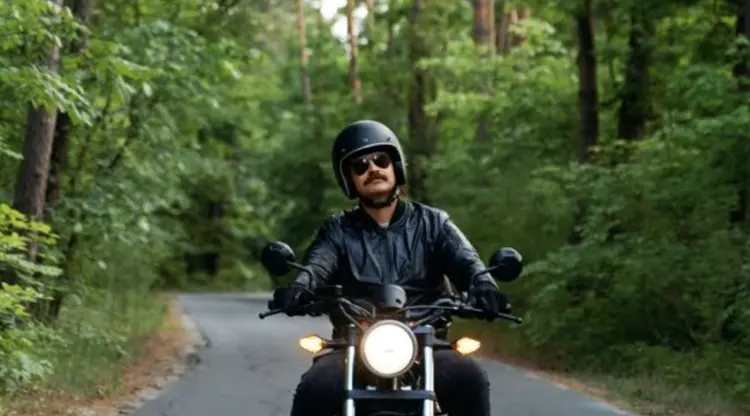
Choosing insurance for a bike should keep costs low and claim outcomes dependable. The aim is a lean policy that protects you when it matters, not just a small premium today. For most owners, comprehensive bike insurance forms the base because it combines third-party liability with own-damage protection for accidents, theft, fire, and natural disasters.
Once the base is correct, you can reduce premiums legally and sensibly by tuning IDV, choosing a suitable voluntary deductible, protecting your NCB discount, renewing on time, and selecting only those add-ons that you will use over the policy term.
The cheapest insurance for bike is not the smallest bill today; it is the plan that keeps losses affordable tomorrow. Third-party cover is mandatory and inexpensive, but it does not pay for your bike’s damage.
Comprehensive cover protects your vehicle and your liability, making it the better long-term value for new, financed, or daily-use bikes. Once you select the right base, price optimisation becomes straightforward and safe.
Here are the key ways that are legal and will help you to lower your premium:
Third-party only is mandatory, but it does not pay for your bike’s damage. Comprehensive cover protects your vehicle as well as your liability and offers a more substantial claim experience for new, financed, or daily-use bikes. Begin with comprehensive bike insurance, then optimise price through measured levers rather than removing essential protection.
The Insured Declared Value represents the current market value of your bike and caps the payout for total loss or theft. Lower IDV reduces the premium. If you set it too low, your settlement also reduces. Stay within the insurer’s IDV band and select the lowest value that you would accept in a worst-case claim.
A voluntary deductible is the fixed share you pay per claim. Increasing it can cut the premium. This suits riders with predictable, short commutes who can afford minor repairs. If you are new to riding, travel long distances daily, or ride in higher-risk conditions, keep the deductible moderate to avoid high out-of-pocket costs.
The NCB discount grows with every claim-free year and can become your largest legal saving over time. Avoid filing small claims that would erase this benefit. If available, NCB Protection helps preserve the discount after a permissible claim, subject to terms.
At bike insurance renewal, keep coverage continuous. If you miss the permitted renewal window, NCB can lapse and long-term savings will be reduced.
Comparisons are meaningful only when inputs match. Hold these constant across quotes: the same policy type, the same IDV, the same voluntary deductible, and the same add-ons.
When variables are identical, the price difference reflects real underwriting, not hidden changes in coverage. Shortlist two or three efficient options, then choose the most cost-effective after checking garage access and precise policy wording.
A long-term policy for two-wheelers can offer stable pricing for the chosen tenure and fewer renewal touchpoints. It helps avoid yearly hikes during the policy term and reduces the chance of accidental lapses that can impact NCB.
If you intend to keep the bike for several years, multi-year cover can make your premium lower and more predictable. Choose any tenure-wide add-ons thoughtfully at purchase.
Treat renewal as an annual audit of value. Renew before expiry to preserve NCB and prevent inspection delays. Each renewal is a chance to realign IDV, deductible, and riders with your current use.
If the bike has aged or your riding has reduced, you may drop specific add-ons. If routes or risks have changed, add targeted protection for the next term. Online renewal journeys also support NCB transfer when you switch insurers.
Add-ons improve protection but increase the premium. Choose riders that address real risks: zero depreciation for newer or premium bikes, emergency roadside assistance for commuters and tourers, engine and gearbox protection for flood-prone regions, return to invoice for total loss or theft on eligible bikes, and consumables cover to pay for items otherwise excluded. Buy selectively instead of bundling everything.
The cheapest structure is a balanced one that protects your bike and your wallet. Start with comprehensive cover, then set IDV at a level you can accept in the event of a significant loss. Pick a voluntary deductible you can genuinely afford. Safeguard your NCB discount by avoiding small claims and completing bike insurance renewal on time.
Add only those riders who improve real claim outcomes, and consider a long-term policy if you will keep the bike for several years. Follow this approach, and you will pay less each year while maintaining reliable, defensible protection.

Electric Two-Wheeler Insurance Guide for Indian EV Buyers
This article explains why electric scooter owners in India should buy online comprehensive bike insurance, what it covers (especially batteries and add-ons), and how to choose the right policy wisely.
Why NBFCs May Offer Better Personal Loan Interest Rates Than Banks
NBFCs often provide more attractive personal loan interest rates than banks due to flexible eligibility criteria, technology-driven underwriting, and lower operational costs, which allow faster approvals, customised pricing, and convenient digital journeys. However, the better option ultimately depends on an individual borrower’s profile and specific loan needs.
Motor Oil Types, Grades & Viscosity: How to Choose the Right Type
Choosing the right motor oil is essential for engine health and performance. This article explains the different types of motor oils, their grades, and viscosity levels. It also guides you on how to select the most suitable oil for your vehicle, ensuring efficiency, longevity, and smoother driving.


